How to Use Pianoforall for Fast Piano Mastery: Practice Schedules and Tips
Getting fast results with Pianoforall isn’t just about following the lessons—it’s about using the program strategically. With its chord-based structure and progressive exercises, Pianoforall works best when paired with a consistent and focused practice routine. Knowing how to organize your time can significantly speed up your learning and confidence.
In this section, we’ll share effective practice schedules, daily routines, and proven tips to help you maximize Pianoforall’s lessons. Whether you’re a busy beginner or a motivated self-learner, these strategies can help you achieve quicker and more enjoyable piano mastery. 🎹

👉 Explore Pianoforall today – start your piano journey with confidence.
Quick Recap: What Is Pianoforall?
Pianoforall is a chord-based digital piano course created by Robin Hall. It teaches piano differently from traditional methods by focusing on:
- Playing by ear
- Understanding chords and progressions
- Rhythm and accompaniment patterns
- Improvisation
- Multiple music styles (pop, blues, jazz, ballads)
The full course includes:
- 9 downloadable eBooks
- Video demonstrations
- Audio practice files
- Lifetime access (no subscriptions)
👉 Explore Pianoforall today – start your piano journey with confidence.
Step 1: Understand Pianoforall’s Learning Philosophy
Before diving into practice schedules, it’s important to understand how Pianoforall is meant to be used.
Pianoforall Is NOT:
- A traditional sheet-music-first course
- A rigid, exam-based system
- A classical conservatory method
Pianoforall IS:
- A practical “learn by doing” system
- Focused on chords, patterns, and rhythm
- Designed for fast confidence and enjoyment
✅ Key Mindset Shift:
Progress is measured by how well you can play, not how much theory you memorize.
Step 2: Follow the Right Order (Don’t Skip This)
One of the biggest mistakes beginners make is jumping randomly between eBooks.
Recommended Learning Order
Stick to this sequence for fastest progress:
- eBook 1 – The Foundation
- Keyboard layout
- Chords
- Hand positioning
- Rhythm basics
- eBook 2 – Lead Sheets & Chord Progressions
- Playing real songs
- Left-hand accompaniment
- Confidence building
- eBook 3 – Advanced Chord Playing
- Smooth transitions
- Stronger coordination
- eBook 4 – Ballad Style
- Emotional playing
- Flow and expression
- eBook 5 – Jazz Piano
- Improvisation
- Swing rhythm
- Advanced chord voicings
- eBooks 6–9 – Styles & Expansion
- Blues
- Classical basics
- Exercises and technique
👉 Pro Tip: Master the basics before chasing advanced styles.
Step 3: Choose the Right Practice Schedule
Consistency beats long, irregular practice every time. Below are three proven Pianoforall practice schedules, depending on your availability.
🕒 15-Minute Daily Practice (Busy Beginners)
Perfect for:
- Busy professionals
- Parents
- Complete beginners
Daily Breakdown:
- 5 minutes: Warm-up (chords or scales)
- 5 minutes: Current lesson focus
- 5 minutes: Play something enjoyable
Expected Progress:
- Slow but steady
- Strong habit formation
- Noticeable improvement in 4–6 weeks
✅ Best for long-term consistency
🕒 30-Minute Daily Practice (Most Recommended)
Perfect for:
- Adult beginners
- Serious hobbyists
- Fast progress seekers
Daily Breakdown:
- 5 minutes: Warm-up
- 15 minutes: Core Pianoforall lesson
- 10 minutes: Song practice or improvisation
Expected Progress:
- Confident playing within weeks
- Solid coordination by month 2
- Improvisation basics by month 3
👉 This is the sweet spot for most learners.
🕒 60-Minute Practice (Fast Track)
Perfect for:
- Highly motivated learners
- Retirees
- Musicians switching instruments
Daily Breakdown:
- 10 minutes: Technique and warm-up
- 25 minutes: New lesson material
- 15 minutes: Song application
- 10 minutes: Improvisation or free play
Expected Progress:
- Very fast confidence gains
- Playing full songs in weeks
- Multiple styles within months
⚠️ Warning: Avoid burnout. Take rest days if needed.
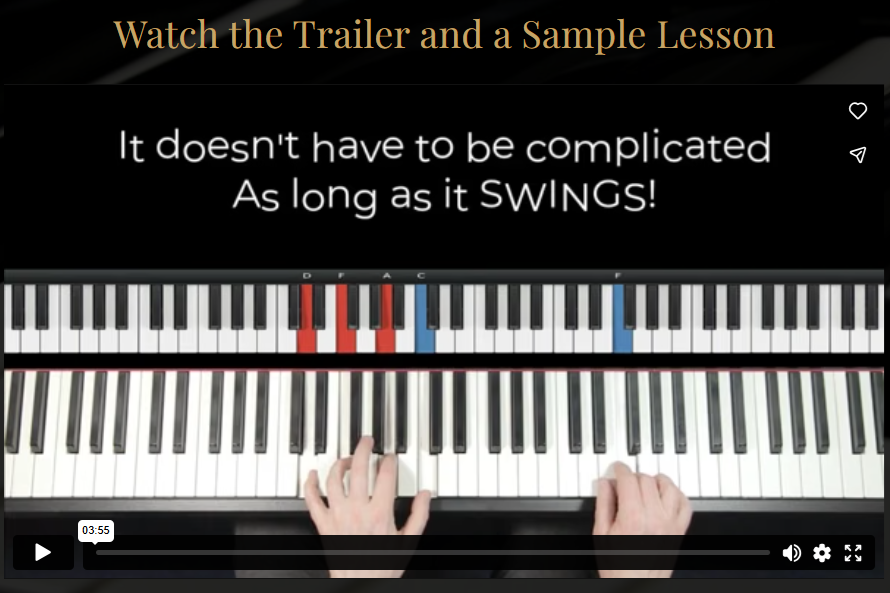

Step 4: Use the “Play First, Analyze Later” Method
Pianoforall works best when you play first and think later.
How to Do This:
- Don’t overanalyze theory explanations
- Play along with the videos
- Repeat patterns until they feel natural
- Trust muscle memory
👉 If it sounds good, you’re doing it right.
This approach:
- Builds confidence faster
- Reduces mental overload
- Keeps learning enjoyable
Step 5: Focus on Chords Before Melodies
Another common mistake is focusing too much on melodies.
Why Chords Matter More:
- Chords form the backbone of most songs
- Strong left-hand accompaniment creates “full” sound
- Melodies become easier once harmony is solid
✅ Master chords → melodies become easier automatically
Step 6: Use These Tips to Accelerate Progress
🔥 Tip 1: Practice Daily (Even Briefly)
Skipping days slows muscle memory development. Even 10 minutes helps.
🔥 Tip 2: Record Yourself Weekly
You’ll notice progress you don’t feel day-to-day.
🔥 Tip 3: Play Songs You Enjoy
Motivation increases retention and practice time.
🔥 Tip 4: Don’t Rush eBooks
Depth beats speed. One well-learned chapter beats three rushed ones.
🔥 Tip 5: Use Headphones or Speakers
Good sound improves rhythm and timing awareness.
Common Mistakes That Slow Pianoforall Progress
Avoid these traps:
❌ Jumping ahead too fast
❌ Ignoring rhythm exercises
❌ Practicing inconsistently
❌ Comparing yourself to others
❌ Expecting perfection
👉 Progress > perfection. Always.
What “Fast Piano Mastery” Really Looks Like
Let’s set realistic expectations.
After 1 Month
- Confident chord playing
- Basic songs
- Improved hand coordination
After 3 Months
- Playing without sheet music
- Improvising simple melodies
- Comfortable rhythm patterns
After 6 Months
- Playing multiple styles
- Creating your own arrangements
- Playing confidently for others
⚠️ Mastery is a journey, not a finish line.
Is Pianoforall Enough on Its Own?
For most adult learners: Yes.
However, you can enhance results by adding:
- Occasional sheet-music practice
- YouTube posture checks
- Simple theory books (optional)
👉 Explore Pianoforall today – start your piano journey with confidence.
Final Verdict: How to Use Pianoforall for Best Results
To master piano faster with Pianoforall in 2026:
✅ Follow the correct lesson order
✅ Practice daily (15–30 minutes minimum)
✅ Focus on chords and rhythm first
✅ Play before analyzing
✅ Stay consistent for 8–12 weeks
👉 Used correctly, Pianoforall can compress years of frustration into months of real progress.
Final Thoughts
Pianoforall’s biggest strength is simplicity. It removes unnecessary barriers and gets you doing the one thing that actually builds skill — playing the piano.
If you commit to a simple practice schedule and trust the process, Pianoforall can transform you from a frustrated beginner into a confident, expressive pianist faster than you might expect.
👉 Explore Pianoforall today – start your piano journey with confidence.