David’s Shield Safety and Risks: What to Know Before Prepping
Preparing with any survival product—especially something like David’s Shield—is about more than just buying gear. It’s equally important to understand the safety considerations and potential risks so you can use it responsibly and avoid common pitfalls before you start prepping.
In this practical 2026 guide to David’s Shield safety and risks, we’ll walk you through key issues to consider before relying on it as part of your preparedness plan—from how to use it safely, to limitations you should be aware of, and ways to mitigate risk for you and your family. Whether you’re new to prepping or refining your strategy, this overview will help you make informed, cautious choices that align with your peace-of-mind goals.
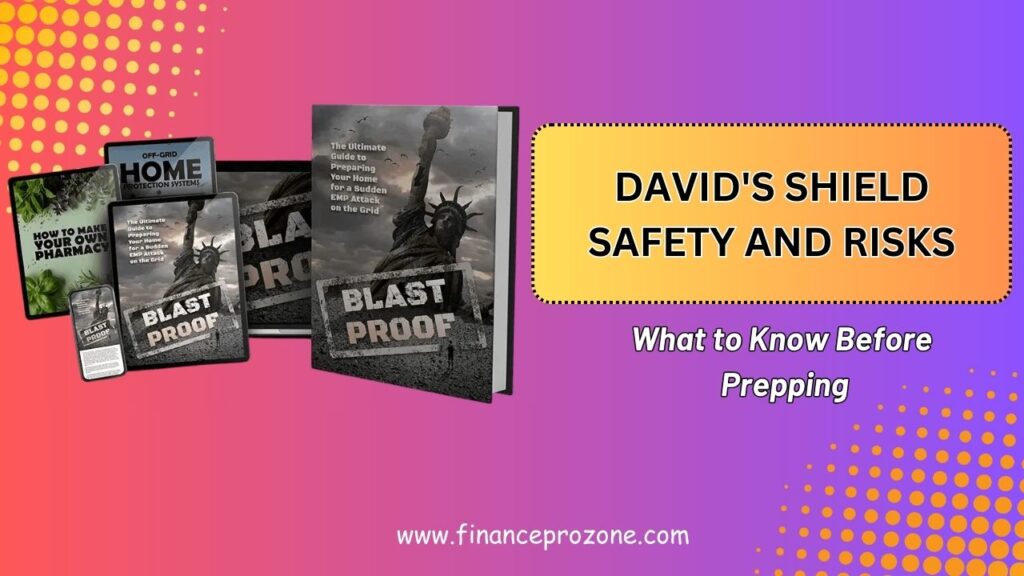
👉 Don’t wait — Order David’s Shield Now from the Official Website
Quick Overview: What David’s Shield Is
David’s Shield is a digital preparedness and resilience program, not a physical survival product. It focuses on:
- Household readiness
- Low-tech survival strategies
- Mental and emotional resilience
- Faith-based leadership and calm decision-making
- Long-term preparation rather than panic responses
Understanding what the program actually is — and isn’t — is essential to evaluating its safety.
👉 Don’t wait — Order David’s Shield Now from the Official Website
Is David’s Shield Physically Safe?
✅ Yes — Because It’s Educational, Not Physical
David’s Shield does not include:
- Weapons
- Explosives
- Tactical combat training
- Hazardous materials
- Electrical or mechanical devices
Because it’s an information-based system, there is no direct physical danger associated with using it as intended.
Unlike some survival programs that encourage risky experimentation or extreme scenarios, David’s Shield emphasizes prevention, planning, and restraint.
Does David’s Shield Encourage Dangerous Behavior?
One of the most common concerns with preparedness programs is whether they push users toward:
- Fear-driven decisions
- Aggressive behavior
- Isolationism
- Reckless stockpiling
🔍 What Users and Analysts Report
David’s Shield takes a notably different approach.
It consistently emphasizes:
- Calm responses instead of panic
- Cooperation within families
- Responsible preparation
- Avoidance of confrontation
- Ethical decision-making
👉 From a safety perspective, this makes it lower-risk than many extreme survivalist systems.
Mental and Emotional Safety: A Key Strength
Ironically, one of the biggest risks in emergencies isn’t physical harm — it’s panic, confusion, and emotional overload.
🧠 How David’s Shield Addresses This
The program includes:
- Stress-management frameworks
- Structured planning to reduce anxiety
- Faith-based grounding techniques
- Leadership guidance for family heads
Many users report that this reduced fear, rather than increased it.
From a mental health standpoint, this approach is generally considered protective rather than harmful.
Potential Risks and Limitations to Be Aware Of
While David’s Shield is generally safe, no preparedness program is risk-free if misunderstood or misused.
Below are the most important risks to understand before prepping.
Risk #1: Misinterpreting the Program as Physical Protection
One of the most common issues arises when users assume David’s Shield provides:
- Physical shielding
- Blast resistance
- EMP blocking devices
- Alarm systems
- Structural protection hardware
⚠️ Why This Matters
If someone relies solely on the program without securing basic supplies or physical safety measures, they may feel more prepared than they actually are.
👉 Mitigation Tip:
Use David’s Shield as a planning framework, not a replacement for food, water, first aid, or shelter.
Risk #2: Overconfidence Without Action
Another subtle risk is false confidence.
Some users feel reassured after reading the material but fail to:
- Store supplies
- Practice plans
- Involve family members
- Test readiness during drills
🧠 Preparedness Science Insight:
Knowledge without application creates illusory preparedness, which can be dangerous in real emergencies.
👉 Mitigation Tip:
Treat David’s Shield as a starting point, then apply what you learn step by step.
Risk #3: Faith-Based Content May Not Suit Everyone
David’s Shield is explicitly faith-based, drawing on biblical principles and spiritual perspectives.
⚠️ Potential Concern:
- Non-religious users may feel disconnected
- Some may interpret spiritual reassurance as a substitute for action (which the program itself does not encourage)
👉 Mitigation Tip:
Ensure users understand that faith and preparation are meant to work together, not independently.
Risk #4: Digital-Only Format
David’s Shield is delivered digitally.
Potential Risks:
- Requires downloading or printing
- Access depends on device availability
- Not ideal if materials aren’t backed up offline
👉 Mitigation Tip:
Print key guides and store them in a physical emergency binder.
Does David’s Shield Replace Emergency Services or Professional Advice?
❌ No — and It Shouldn’t
David’s Shield does not claim to replace:
- Emergency responders
- Medical professionals
- Fire services
- Government emergency planning
Any preparedness system that suggests abandoning professional help would raise serious safety concerns — but David’s Shield does not do this.
Is There a Risk of Fear-Mongering?
Some preparedness programs rely on:
- Extreme predictions
- Catastrophic language
- Urgency-based selling
- Worst-case obsession
📊 User Feedback Patterns:
David’s Shield is frequently described as:
- Calm
- Grounded
- Non-sensational
- Focused on wisdom rather than fear
From a psychological safety perspective, this lowers the risk of anxiety-driven behavior.


Who Should Be Cautious Before Using David’s Shield
While generally safe, David’s Shield may not be ideal for:
❌ People seeking:
- Tactical combat training
- Weapons guidance
- Physical protection systems
- Instant or automated solutions
❌ Users unwilling to:
- Read and plan
- Take responsibility for preparation
- Apply the guidance consistently
Understanding this prevents frustration and misuse.
Safety Compared to Other Preparedness Programs
🔍 Relative Safety Assessment:
Compared to many survivalist programs, David’s Shield:
- Encourages restraint over aggression
- Focuses on prevention over confrontation
- Avoids dangerous DIY experimentation
- Discourages panic behavior
From a safety standpoint, it ranks low risk when used as intended.
Best Practices for Using David’s Shield Safely
To minimize risks and maximize benefits:
✅ Follow These Guidelines:
- Use it as a planning tool, not a physical shield
- Combine it with real supplies (food, water, first aid)
- Print and store materials offline
- Practice scenarios calmly
- Involve your household
- Avoid extreme interpretations
What Real Users Say About Safety
Many users mention:
- Feeling calmer, not more afraid
- Appreciating the non-violent tone
- Feeling more responsible, not paranoid
- Gaining clarity rather than panic
This feedback aligns with best practices in emergency preparedness psychology.
👉 Don’t wait — Order David’s Shield Now from the Official Website
Final Verdict: Is David’s Shield Safe?
✔ Yes — When Used Correctly
David’s Shield is:
- Safe
- Educational
- Low-risk
- Non-violent
- Focused on resilience, not fear
⚠️ But With Important Caveats
It should never be treated as:
- Physical protection
- A substitute for supplies
- A replacement for emergency services
When approached with realistic expectations, David’s Shield is considered one of the safer, calmer preparedness frameworks available.
Final Thoughts
Preparation should bring peace of mind, not fear.
David’s Shield emphasizes wisdom, planning, and responsibility — making it a safe option for families who want to prepare thoughtfully in 2026.
As with any preparedness effort, safety ultimately depends not just on information, but on how responsibly that information is used.
👉 Don’t wait — Order David’s Shield Now from the Official Website