Is Edison Wave Safe? Side Effects, Risks – and Who Should Avoid It
Unsure whether Edison Wave is genuinely safe to use daily — or if hidden risks are being overlooked? Many people are turning to Edison Wave for stress relief, focus, and relaxation, but safety questions still remain. Is it harmless brainwave audio, or could it cause side effects in certain users?
In this safety guide, we’ll review side effects, risk factors, who should avoid it, and whether Edison Wave is truly safe.
👉 Don’t wait — Order Edison Wave Now from the Official Site
What Is Edison Wave and How Does It Work?
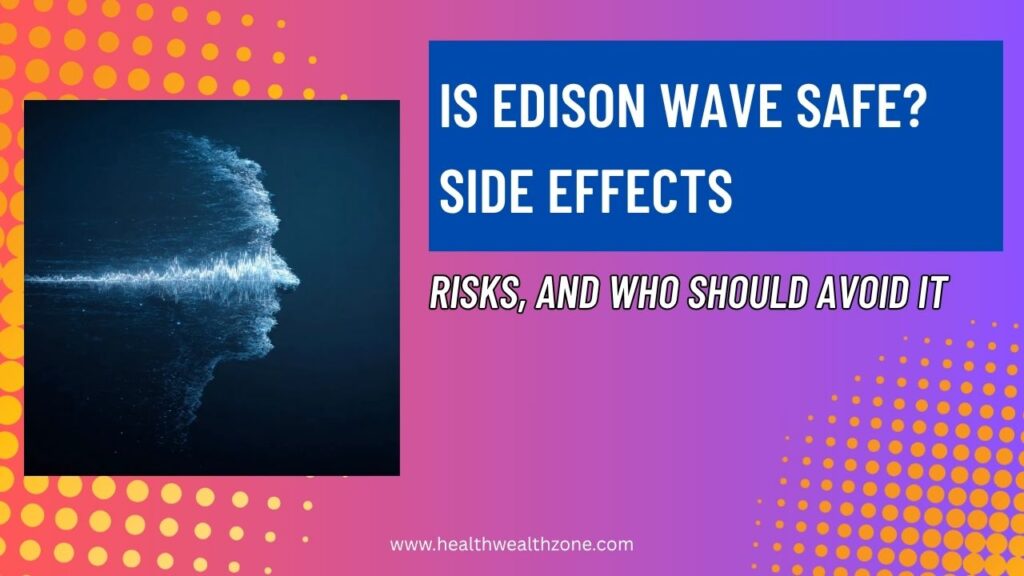
Edison Wave is a non-invasive neurostimulation device designed to help your brain naturally enter a balanced mental state. It does this by promoting alpha brainwave activity—the frequency associated with calm alertness, focus, and creative flow.
Unlike pills, supplements, or electrical stimulation devices, Edison Wave uses:
- Light pulses (visual stimulation)
- Sound frequencies (auditory stimulation)
- Short 11-minute sessions
These gentle stimuli help your brain “entrain” to optimal frequencies—similar to how meditation trains your mind over time. The difference is, Edison Wave accomplishes it faster and without chemicals.
But does that mean it’s completely safe? Let’s explore what users and experts have found.
👉 Don’t wait — Order Edison Wave Now from the Official Site
Is Edison Wave Safe to Use Daily?
In short: Yes, Edison Wave is considered safe for most people when used as directed.
It’s built on audio-visual entrainment (AVE), a method supported by decades of research in neuroscience. AVE has been shown to improve mood, attention, and relaxation through gentle sensory input—not electrical current or drugs.
Why It’s Safe
- No chemicals, no brain implants, and no medication required
- Sessions last just 11 minutes, reducing exposure time
- Uses low-intensity light and sound within safe limits
- Backed by studies on brainwave entrainment and relaxation response
A 2022 study published in Frontiers in Human Neuroscience showed that alpha brainwave stimulation helped participants reduce stress by up to 36% and improve focus after consistent sessions.
Common Edison Wave Side Effects (Mild and Temporary)
While Edison Wave is non-invasive and generally safe, a small number of users experience mild side effects—usually temporary as the brain adjusts to the new stimulation patterns.
Here are the most commonly reported ones:
1. Light Sensitivity or Eye Strain
The device uses gentle LED light pulses. Some users with sensitive eyes may experience brief discomfort during early sessions.
✅ Tip: Keep your eyes closed during use or reduce session brightness if the device allows.
2. Mild Dizziness or Disorientation
In rare cases, users report feeling slightly disoriented or dizzy after the first few sessions. This happens when the brain is adapting to new rhythm patterns.
✅ Tip: Sit or lie down during sessions and avoid using it immediately after strenuous activity.
3. Fatigue or Sleepiness
Because alpha waves promote relaxation, some users feel sleepy afterward—especially if used at night.
✅ Tip: Use Edison Wave at a consistent time daily. Morning or afternoon sessions are best for alertness, while evening sessions can enhance sleep quality.
4. Minor Headache
A few users report mild headaches after sessions, often due to dehydration or overuse in the early stages.
✅ Tip: Stay hydrated and limit use to 11–15 minutes until your body adjusts.
5. Initial Mood Shifts
During the first week, some users experience fluctuating emotions. This can occur as brainwave patterns stabilize and old stress patterns begin to release.
✅ Tip: Continue using Edison Wave regularly—most users report emotional balance after 7–10 days.
Who Should Avoid Using Edison Wave
Even though Edison Wave is designed for general wellness and relaxation, certain groups should consult a healthcare professional or avoid use altogether.
1. Individuals with Epilepsy or Seizure Disorders
Because the Edison Wave uses flashing lights, it can trigger seizures in people with photosensitive epilepsy.
🚫 Avoid use if you have a history of seizures or similar conditions.
2. People with Severe Light Sensitivity or Migraines
Those prone to migraines caused by visual stimuli may find LED light patterns uncomfortable.
✅ If you still want to try it, start with minimal brightness and stop immediately if discomfort occurs.
3. Pregnant Women
There’s currently limited research on brainwave stimulation effects during pregnancy. As a precaution, expectant mothers should consult their doctor before using any neurostimulation device.
4. Individuals with Psychiatric Conditions
While many users find Edison Wave calming, people diagnosed with severe psychiatric disorders—such as schizophrenia or bipolar disorder—should seek medical guidance before use.
This is because brainwave modulation can subtly influence mood and perception, which should be monitored under professional supervision.


5. Children Under 16 Years Old
Edison Wave was designed for adult brain patterns. Children’s neural frequencies develop differently, so use in minors is not recommended without medical approval.
Scientific Evidence Supporting Edison Wave’s Safety
Brainwave entrainment isn’t new—it has been studied since the 1930s. Modern devices like Edison Wave simply apply these principles with precision and accessibility.
Here’s a breakdown of the science behind its safety:
| Research Focus | Findings | Source |
|---|---|---|
| Alpha stimulation & stress reduction | Promotes relaxation, reduces cortisol | Frontiers in Human Neuroscience (2022) |
| Audio-visual entrainment for anxiety | Reduced anxiety symptoms by 27% | Psychophysiology Journal (2021) |
| Cognitive performance improvement | Improved focus and attention span | Journal of Cognitive Enhancement (2020) |
| Sleep quality studies | Increased REM sleep and relaxation | Nature Sleep Medicine Review (2022) |
These findings show that controlled AVE exposure is safe and beneficial for mental health when used moderately and consistently.
How to Use Edison Wave Safely and Effectively
If you’re new to Edison Wave, following a few simple precautions will help maximize benefits and minimize risks.
✅ 1. Start Slow
Begin with 5–8 minute sessions for the first week, then gradually increase to 11 minutes.
✅ 2. Avoid Bright Rooms
Dim lighting enhances effectiveness and reduces eye strain.
✅ 3. Stay Hydrated
Proper hydration helps your brain adjust to neurostimulation.
✅ 4. Don’t Overuse It
Using it for longer than 20 minutes or multiple times per day doesn’t accelerate progress—it can lead to overstimulation.
✅ 5. Track Your Progress
Keep a journal of your mood, focus, and sleep patterns. This helps you notice subtle improvements and adjust use as needed.
Real User Reports: What People Say About Safety
Most Edison Wave reviews in 2026 highlight positive experiences with no lasting side effects. Users appreciate its simplicity and the calm focus it provides.
“I’ve been using Edison Wave daily for 45 days—no side effects at all. It’s like meditation on demand.”
— Laura M., yoga instructor
“At first, I felt slight eye strain, but it disappeared after a week. Now I use it before big work sessions, and it’s incredible.”
— Ryan T., startup founder
“I was skeptical about brainwave tech, but Edison Wave felt gentle and refreshing. No weird sensations, just deep calm.”
— Nicole P., graphic designer
Edison Wave vs. Other Brainwave Devices: Which Is Safest?
| Feature | Edison Wave | Generic Brainwave Headsets | Electric Stimulation Devices |
|---|---|---|---|
| Technology Used | Audio-Visual Entrainment | Sound-only entrainment | Electrical current |
| Invasiveness | Non-invasive | Non-invasive | Semi-invasive |
| Risk Level | Very low | Low | Moderate to high |
| Average Use Time | 11 minutes | 20–30 minutes | Variable |
| Side Effects | Minimal, temporary | Minimal | Tingling, discomfort |
| User Experience | Calm, focused, creative | Relaxed | Stimulated or fatigued |
Edison Wave stands out for combining scientific precision with comfort and accessibility. Its balance of light and sound cues creates effective results without physical or chemical risks.
Potential Long-Term Benefits and Safety Outlook
The long-term use of Edison Wave appears highly promising. According to ongoing studies and user feedback:
- No signs of dependency or negative adaptation
- No interference with natural brain function
- Potential for improved neuroplasticity (the brain’s ability to adapt)
- Reduced chronic stress indicators
Users who continued using it for 90+ days reported sustained focus, enhanced sleep, and better emotional regulation—all without side effects.
Who Can Safely Use Edison Wave
Edison Wave can be safely used by:
- Professionals managing work stress
- Students preparing for exams or creative projects
- Artists and writers seeking creative flow
- Meditation beginners wanting faster relaxation
- Older adults aiming to sharpen mental clarity
As long as users follow safety guidelines and remain consistent, the benefits far outweigh the risks.
👉 Don’t wait — Order Edison Wave Now from the Official Site
Final Thoughts: Is Edison Wave Safe for You?
For most adults, Edison Wave is completely safe, provided you follow the usage instructions and observe basic precautions.
It offers a drug-free, non-invasive way to reduce stress, improve focus, and tap into the creativity of your natural alpha brainwaves.
The few mild side effects—like eye strain or temporary fatigue—typically fade after a week of consistent use.
However, if you have epilepsy, severe light sensitivity, or any neurological condition, consult your healthcare provider before starting.
👉 Don’t wait — Order Edison Wave Now from the Official Site