How Does Neuro‑Balance Therapy Work? Understanding Its Role in Stress Relief – and Cognitive Support
Wondering how Neuro-Balance Therapy actually works to support your mind and emotions? With claims of enhancing focus, reducing stress, and improving overall cognitive function, many are curious about the mechanisms behind this approach and whether it delivers real results.
In this guide, we’ll explain how Neuro-Balance Therapy works, explore its role in stress relief and cognitive support, break down the underlying techniques and ingredients, and help you understand how it may fit into a holistic approach to mental well-being.

👉 Don’t wait — Order Neuro-Balance Therapy from the Official Site
What Exactly Is Neuro-Balance Therapy?
Neuro-Balance Therapy is a unique home-based training system created by Chris Wilson, a renowned fitness and rehabilitation coach. It’s designed to help people restore stability and nerve responsiveness through a quick, 10-second daily ritual.
At its core, the program targets the deep peroneal nerve, a crucial nerve that runs through the lower leg and foot. This nerve is responsible for maintaining reflexes, balance, and coordination — the very foundation of safe movement and confident posture.
The system revolves around three main components:
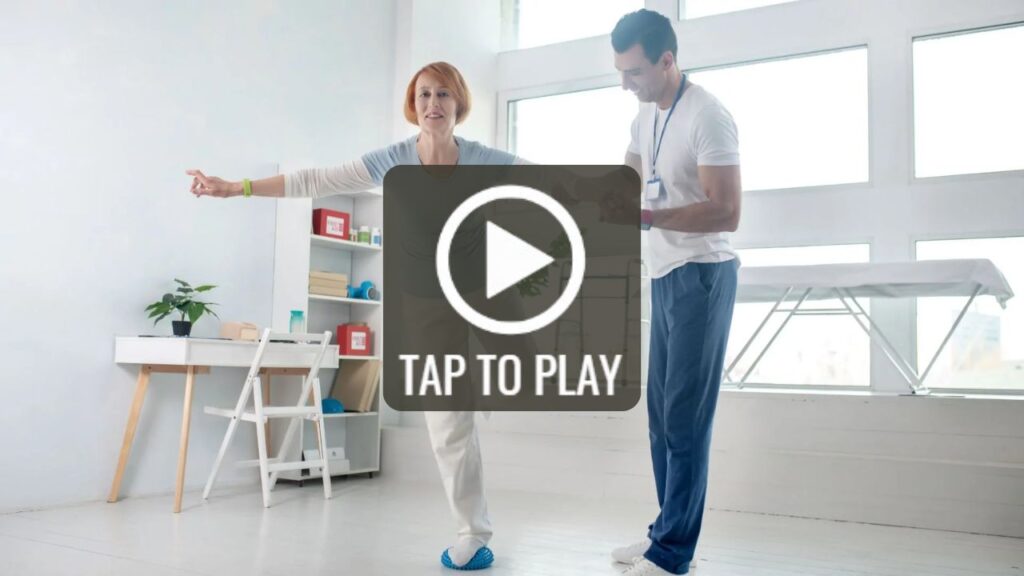
- Nerve Activation Ball – a spiked massage ball that gently stimulates the deep peroneal nerve to “wake up” dormant connections.
- Guided Video Exercises – easy-to-follow routines that improve coordination and nerve-muscle communication.
- Daily Practice Routine – a short commitment that gradually re-trains your neuromuscular system.
Initially, Neuro-Balance Therapy gained attention for helping seniors regain steadiness and avoid falls. But many users noticed unexpected improvements in their mental clarity, emotional stability, and overall calmness — which sparked curiosity about the deeper mind-body link.
👉 Don’t wait — Order Neuro-Balance Therapy from the Official Site
The Science Behind Neuro-Balance Therapy: A Mind-Body Connection
To understand how Neuro-Balance Therapy might relieve stress and enhance cognitive function, it helps to look at how balance, nerves, and the brain interact.
1. The Neuromuscular Link
Our body’s balance system is not just physical — it’s neurological. It depends on complex communication between nerves, muscles, and the brain. When the deep peroneal nerve becomes underactive, the brain receives fewer sensory inputs from the lower body. This can lead to instability, slower reflexes, and even a sense of unease.
By reactivating this nerve, Neuro-Balance Therapy sends a stronger stream of sensory signals to the brain. This not only sharpens coordination but also helps stabilize neural communication, creating a more balanced nervous system overall.
2. Stress, the Nervous System, and Balance
Chronic stress overstimulates the sympathetic nervous system — your body’s “fight or flight” response. Over time, this leads to muscle tension, poor circulation, and reduced proprioception (your sense of body position).
The physical stimulation from the Neuro-Balance Therapy routine helps shift the body into parasympathetic mode, or the “rest and digest” state. This transition supports:
- Lowered stress hormone (cortisol) levels
- Relaxed muscles and calmer breathing
- Enhanced mental clarity and focus
In short, improving physical balance also restores nervous system balance, helping you feel more grounded and mentally composed.
3. Cognitive Benefits of Sensory Stimulation
The foot is rich with sensory nerves that send constant signals to the brain’s somatosensory cortex — a region involved in movement, focus, and awareness. Stimulating these nerves with the spiked ball can improve:
- Cognitive processing speed
- Spatial awareness
- Mood regulation
This concept is similar to reflexology and proprioceptive training, both of which have been shown to enhance cognitive resilience and reduce stress through consistent sensory activation.
How Neuro-Balance Therapy Works (Step-by-Step Breakdown)
Let’s go deeper into how the system functions and why it might be more effective than it looks.
Step 1: Nerve Activation
Using the included spiked nerve activation ball, you stimulate the base of your foot for about 10 seconds.
This activates the deep peroneal nerve, responsible for lower limb reflexes and balance.
This stimulation sends electrical impulses up to the spinal cord and brainstem, re-establishing dormant connections between your lower body and nervous system.
Step 2: Neuromuscular Re-education
Next, the video routines guide you through gentle standing, stretching, and shifting exercises.
These help your body “relearn” proper balance patterns and strengthen neural pathways controlling posture and coordination.
Step 3: Reflex & Stability Training
The program progressively introduces small movements that challenge your equilibrium.
This re-trains your reflexes to respond automatically to changes in balance — helping prevent falls and improve agility.
Step 4: Mind-Body Integration
As your nerves and muscles become more responsive, your brain receives clearer, more consistent sensory feedback.
This not only enhances physical control but also promotes mental calmness, similar to meditation or yoga — both known for activating parasympathetic relaxation.
Step 5: Long-Term Nervous System Adaptation
With regular practice, your neural circuits adapt — meaning the benefits go beyond temporary improvement.
Users often report sustained mental sharpness, lower stress, and improved overall body confidence.
Neuro-Balance Therapy and Stress Relief: How It Helps You Stay Calm
While Neuro-Balance Therapy doesn’t claim to be a stress-reduction system, its effects on the nervous system can produce powerful calming results.
Here’s how:
🌿 1. Activates the Parasympathetic Nervous System
The nerve stimulation and gentle movements encourage the release of acetylcholine, a neurotransmitter linked to relaxation and recovery.
This helps counteract the effects of chronic stress, restoring natural calm.
🧘 2. Enhances Body Awareness (Mindfulness)
By focusing on balance and controlled movement, you develop present-moment awareness — a core element of mindfulness.
This process can reduce anxiety and racing thoughts, similar to mindfulness meditation or yoga practices.
💓 3. Reduces Muscle Tension and Circulatory Strain
Stress often causes tightness in the legs, feet, and back. Neuro-Balance Therapy’s gentle foot stimulation improves circulation and releases tension, resulting in a noticeable feeling of relaxation after sessions.
🌬 4. Improves Sleep and Mood
Users report better sleep quality and lighter moods, likely because the therapy helps regulate the autonomic nervous system — the system that governs sleep-wake cycles and emotional stability.
🧠 5. Supports Mental Focus and Alertness
By improving blood flow to the brain and encouraging balanced nerve signaling, Neuro-Balance Therapy helps maintain mental alertness, concentration, and emotional balance.

Cognitive Benefits: How Balance and Brain Function Are Connected
Emerging research in neuroscience shows a strong link between physical balance and brain performance.
Here’s what that means in practical terms:
| Cognitive Function | How Neuro-Balance Therapy Helps |
|---|---|
| Focus & Attention | Stimulating sensory nerves enhances alertness and reduces distractions. |
| Memory & Learning | Improved proprioceptive feedback strengthens hippocampal activity. |
| Mood Regulation | Activating the parasympathetic system lowers stress and anxiety. |
| Executive Function | Regular coordination exercises sharpen planning and decision-making. |
| Neural Plasticity | Encourages brain adaptability through consistent sensory input. |
Essentially, the same neural circuits that control balance also influence cognition and emotion.
By retraining one, you naturally support the other.
What Makes Neuro-Balance Therapy Unique
While other programs focus solely on physical rehabilitation or fitness, Neuro-Balance Therapy takes a holistic neuromuscular approach that bridges both body and brain health.
Here’s what sets it apart:
| Feature | Neuro-Balance Therapy | Traditional Physical Therapy |
|---|---|---|
| Accessibility | 100% home-based | Requires clinic visits |
| Time Commitment | 10–15 minutes a day | 1+ hours per session |
| Equipment Needed | Small activation ball | Specialized machines |
| Stress Relief Benefits | Yes — parasympathetic activation | Limited |
| Focus on Nerve Reactivation | Core principle | Secondary goal |
| Cost | One-time affordable payment | Expensive recurring fees |
👉 In short: It’s an all-in-one system for mobility, nerve health, and mental relaxation without medication or expensive therapy appointments.
Real User Experiences: “I Feel Calmer, More Grounded, and Mentally Clear”
⭐ Positive Testimonials
“I started Neuro-Balance Therapy to fix my wobbly balance, but within a month I noticed I was less anxious and slept better. It’s like my body and mind are finally in sync.” — Patricia M., 65
“The routine is relaxing. It’s not just physical; I feel mentally refreshed afterward, almost like meditation.” — George D., 59
“Even my doctor was surprised at how my stability and confidence improved. But the biggest change was how calm I feel now.” — Lydia S., 63
⚠️ Constructive Feedback
“It helps, but you need consistency. Skipping days weakens the effect — it’s like meditation, you must practice daily.” — Robert K., 61
“I wish they had more online access options, but the exercises themselves are fantastic.” — Nancy T., 57
✅ Overall Verdict: Beyond physical balance, many users report improved mood, stress control, and sharper cognition — benefits not commonly found in traditional balance programs.
Is Neuro-Balance Therapy Scientifically Backed?
While the exact Neuro-Balance Therapy method hasn’t undergone formal clinical trials, its foundation is built upon established neurological and physiotherapy principles, including:
- Proprioceptive training – proven to enhance balance and coordination
- Sensory nerve stimulation – shown to improve brain-body communication
- Parasympathetic activation – supports stress reduction and emotional regulation
- Neuroplasticity – the brain’s ability to form new connections through repetitive practice
Researchers have confirmed that consistent sensory input, especially from the feet, can stimulate cortical activity and improve cognitive function in older adults.
Thus, while not a medical treatment, the science behind Neuro-Balance Therapy aligns with modern neuroscience and mind-body rehabilitation techniques.
Who Can Benefit Most From Neuro-Balance Therapy?
This program can help anyone who wants to improve both physical and mental wellness — especially:
- Seniors experiencing balance decline
- Adults facing chronic stress or anxiety
- People with mild neuropathy or coordination loss
- Individuals seeking non-drug solutions for stability and calm
- Those recovering from fatigue or cognitive fog
It’s gentle, adaptable, and effective across different age groups.
👉 Don’t wait — Order Neuro-Balance Therapy from the Official Site
How to Get the Best Results
To maximize the mental and physical benefits of Neuro-Balance Therapy:
- Be consistent — practice the routine daily.
- Stay mindful — focus on each movement and breath to enhance relaxation.
- Use the activation ball correctly — follow the video guide for accurate stimulation.
- Pair with hydration and good sleep — this supports nerve recovery.
- Track your progress — many users notice measurable changes after 3–4 weeks.
👉 Pro Tip: Combine Neuro-Balance Therapy with light stretching or meditation for even greater cognitive and emotional benefits.
Final Thoughts: A Holistic Approach to Calm and Coordination
In an age of constant stress and overstimulation, Neuro-Balance Therapy offers something refreshingly different — a scientifically grounded, non-invasive way to reconnect your body and mind.
It’s not just about preventing falls or improving posture; it’s about retraining your nervous system to function harmoniously — restoring both balance and peace of mind.
If you’re looking for a safe, affordable, and holistic method to enhance stability, relieve stress, and boost mental clarity in 2026, Neuro-Balance Therapy is absolutely worth exploring.
👉 Don’t wait — Order Neuro-Balance Therapy from the Official Site