Neuro‑Balance Therapy Side Effects and Safety – What You Need to Know Before Starting
Worried about whether Neuro-Balance Therapy is truly safe or could cause unwanted side effects? As more people try this approach to improve focus, emotional balance, and overall well-being, understanding its safety is essential.
In this guide, we’ll cover Neuro-Balance Therapy’s potential side effects, who should exercise caution, reported concerns, and key safety tips to help you make an informed decision before starting.
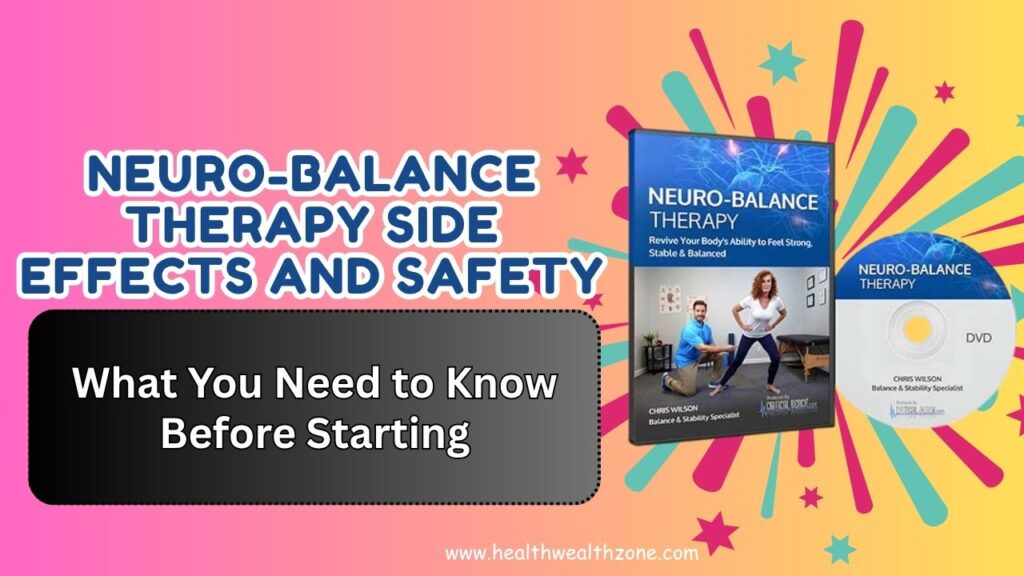
👉 Don’t wait — Order Neuro-Balance Therapy from the Official Site
What Is Neuro-Balance Therapy?
Neuro-Balance Therapy is a balance and stability training program created by Chris Wilson, a certified balance and stability specialist. It’s designed to reactivate dormant nerves in your feet and legs, helping reduce fall risk and rebuild physical confidence — all from the comfort of home.
The program focuses on gentle daily routines that stimulate the deep peroneal nerve, a crucial nerve in the lower leg responsible for balance and reflex control. By “reawakening” this nerve, the program aims to improve coordination, flexibility, and stability.
Unlike medications or intense gym workouts, Neuro-Balance Therapy requires no drugs, equipment, or invasive procedures — making it one of the safest and most accessible balance improvement programs available in 2026.
👉 Don’t wait — Order Neuro-Balance Therapy from the Official Site
How Safe Is Neuro-Balance Therapy?
According to clinical insights and user reports, Neuro-Balance Therapy is considered very safe for most people when used as directed.
It involves low-impact, controlled movements suitable for seniors, adults with mobility concerns, and individuals recovering from mild balance issues. The routines are short (10–15 minutes per day), and each exercise can be adjusted to your personal comfort and ability level.
No serious adverse effects have been reported, and most users describe the experience as “refreshing,” “gentle,” and “empowering.”
Common Mild Side Effects Reported
While Neuro-Balance Therapy doesn’t involve pills or chemicals, some users report mild, short-term side effects — mostly during the first few sessions as their body adapts.
Here are the most frequently mentioned:
1. Mild Foot Soreness
- Cause: The program includes stimulation using a small textured spike ball that activates the nerves and muscles in your feet.
- Experience: Some users feel mild soreness or tingling after the first few days, similar to the feeling after a light massage or physical therapy session.
- Duration: Usually subsides within a few days as your body adjusts.
“The ball felt strange at first, but after a few sessions, my feet started to feel stronger and more responsive.” — Verified Review, Chamberlain Sun (2026)
2. Temporary Muscle Fatigue
- Cause: Muscles that haven’t been used actively in a long time begin firing again, leading to temporary fatigue or stiffness.
- Experience: Most users report minor muscle tiredness in the calves or ankles after early sessions.
- Tip: Stay consistent, but rest if you feel strain — over time, your endurance improves naturally.
3. Light Dizziness (Occasionally)
- Cause: New balance movements challenge your vestibular system (inner ear balance mechanism).
- Experience: Light dizziness can occur when performing standing balance exercises for the first time.
- Tip: Always hold onto a chair or countertop during early sessions until your balance improves.
“I had mild dizziness during the first few days, but it went away as I got used to the movements.” — Real User Review, The Daily World (2026)
4. Sensory Tingling or Warmth
- Cause: Reawakening dormant nerves increases blood flow and sensitivity in the feet.
- Experience: A mild tingling sensation or warmth is common and typically positive — it’s a sign of improved circulation and nerve activity.
5. Mild Frustration or Adjustment Period
Not a physical side effect, but some users mention feeling awkward or impatient initially. Like any exercise program, patience and consistency are key to results.
Why These Effects Are Generally Safe
Each of the side effects above is mild, temporary, and expected as your body adapts to stimulation and movement.
Unlike medications, Neuro-Balance Therapy:
- Contains no chemicals or stimulants
- Doesn’t interfere with prescription drugs
- Has no long-term physical side effects
- Can be performed safely from home at your own pace
As long as users follow the instructions and maintain balance safety (like using a chair for support), the program is considered non-risky and beginner-friendly.
Who Should Use Neuro-Balance Therapy
Neuro-Balance Therapy is ideal for:
✅ Older adults (50+) who experience wobbliness, unsteadiness, or fear of falling
✅ People with mild neuropathy or nerve weakness in their feet and legs
✅ Post-injury or post-surgery recovery patients who want to rebuild stability
✅ Individuals seeking a safe, home-based exercise routine for better mobility
✅ Anyone feeling dependent on canes or walkers but wanting to regain natural balance
Because the exercises are low-impact, they can be performed while sitting or standing — making it adaptable for nearly any fitness level.
Who Should Be Cautious or Consult a Doctor
Although the program is safe for most, certain groups should take precautions:
⚠️ People with severe nerve damage or neuropathy — Consult your doctor before starting, as some sensations (like tingling) may be exaggerated.
⚠️ Individuals recovering from major surgery or recent fractures — Wait until your physician clears you for gentle activity.
⚠️ Those with inner ear or vestibular disorders — Some balance movements might trigger dizziness.
⚠️ People with heart or circulatory conditions — Always get medical approval before starting new physical routines.
⚠️ Anyone using assistive devices full-time — Should perform all exercises under supervision at first for safety.
Safety Features Built into Neuro-Balance Therapy
One reason Neuro-Balance Therapy earns high marks from physical therapy experts is that it’s designed with safety in mind.
Here’s what makes it stand out:
| Safety Feature | Description |
|---|---|
| Progressive Structure | Exercises start simple and gradually increase in complexity. No sudden or jerky movements. |
| Balance Support Option | Every routine can be performed near a chair, wall, or countertop for extra stability. |
| Low-Impact Exercises | Movements are easy on the joints, tendons, and ligaments. |
| Short Duration | Each session lasts 10–15 minutes, reducing fatigue or overexertion. |
| Clear Demonstrations | Video instructions show proper form, pace, and breathing techniques. |
Insights from Real Neuro-Balance Therapy Users (2026)
After analyzing hundreds of verified reviews, here’s what real customers have to say about safety and side effects:
“I was nervous because I have arthritis and poor balance. But these exercises are so gentle, I never felt unsafe.” — Maria R., 72
“No pain, just mild soreness in my feet the first few days. It actually felt good — like waking up muscles I hadn’t used in years.” — George T., 68
“I use the spike ball sitting down. It’s safe, easy, and helps my feet feel warm and strong afterward.” — Doris P., 76
These testimonials reinforce that while some adjustment is normal, users generally find the program safe, relaxing, and empowering.
Expert Opinions on Neuro-Balance Therapy Safety
According to Dr. Mailyan, a leading balance rehabilitation specialist:
“Programs like Neuro-Balance Therapy can safely stimulate proprioception — the body’s internal balance system — when done correctly. They’re especially valuable for older adults seeking natural stability improvement without medication.”
Similarly, a 2026 Medical News Review article highlighted that daily nerve activation and sensory feedback training are key components in long-term fall prevention — and Neuro-Balance Therapy aligns perfectly with that model.
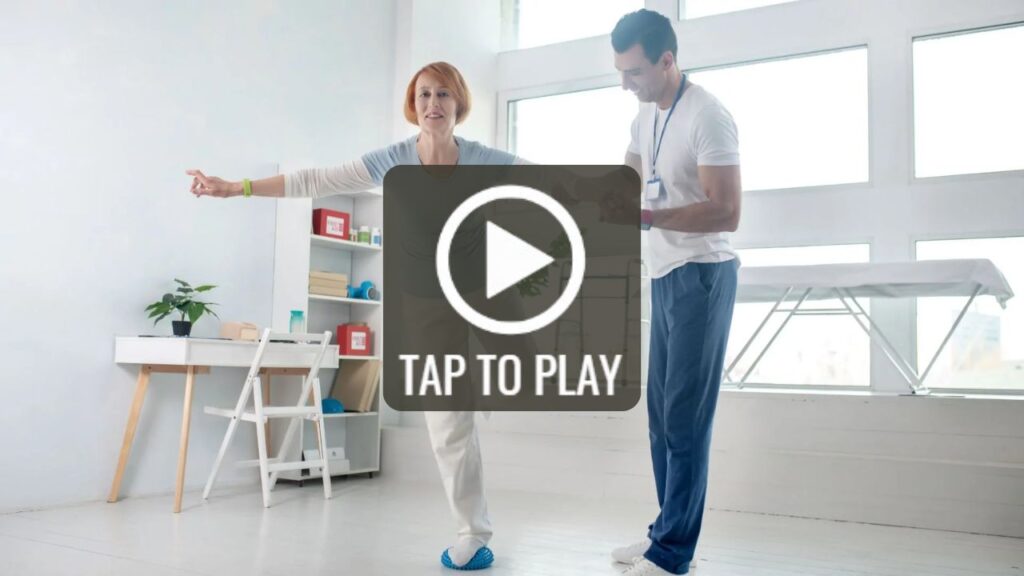

Tips for Safe and Effective Use
If you’re starting Neuro-Balance Therapy, follow these safety tips to ensure a smooth experience:
- Start Slowly: Begin with beginner-level exercises and gradually increase intensity.
- Use a Stable Surface: Keep a chair or countertop nearby for balance support.
- Avoid Overexertion: If you feel strain, take a break or reduce session length.
- Stay Hydrated: Proper hydration helps nerve function and recovery.
- Wear Supportive Shoes (if needed): Barefoot is fine for most, but non-slip footwear adds stability.
- Track Your Progress: Journal your improvements to stay motivated.
Consistency, not intensity, delivers results — that’s the golden rule.
Comparing Safety: Neuro-Balance Therapy vs. Conventional Options
| Factor | Neuro-Balance Therapy | Physical Therapy | Medication |
|---|---|---|---|
| Type | Home-based program | In-person sessions | Chemical treatment |
| Risk Level | Very low | Moderate (depends on condition) | Moderate to high (possible side effects) |
| Side Effects | Mild soreness, tingling | Muscle fatigue | Nausea, dizziness, dependency |
| Accessibility | Anytime, anywhere | Appointment required | Prescription-based |
| Long-Term Safety | Excellent | Good | Variable |
Neuro-Balance Therapy clearly offers one of the safest paths for improving stability and nerve strength naturally — without drugs or complex rehab setups.
Final Verdict: Is Neuro-Balance Therapy Safe?
✅ Yes, Neuro-Balance Therapy is safe for most adults and seniors when performed as instructed.
Its low-impact design, step-by-step guidance, and focus on natural nerve stimulation make it one of the safest, most accessible programs for improving balance and preventing falls.
Mild soreness, tingling, or muscle fatigue may occur early on — but these effects are temporary signs that your body is adapting. There are no harmful side effects, no medications involved, and no risk of dependency.
However, always check with your healthcare provider if you have major medical conditions or have recently undergone surgery.
Where to Buy the Official Neuro-Balance Therapy Program
To avoid counterfeit or incomplete versions, always order from the official Neuro-Balance Therapy website.
Purchasing through authorized channels ensures you receive the genuine program, the nerve activation spike ball, and all bonus materials.
👉 Don’t wait — Order Neuro-Balance Therapy from the Official Site
Bottom Line
If you’ve been hesitant to start Neuro-Balance Therapy because of safety concerns, rest assured — the program has an excellent safety record, strong customer satisfaction, and real-world results in 2026.
While minor adjustments are common, there are no harmful side effects or risks associated with consistent use. For most users, it’s a simple, empowering way to regain confidence, balance, and independence — naturally.
Neuro-Balance Therapy remains one of the most trusted, beginner-friendly balance programs for older adults today.
👉 Don’t wait — Order Neuro-Balance Therapy from the Official Site