Sugar Defender vs Prescription Diabetes Medication: What’s the Difference?
Wondering how Sugar Defender compares with prescription diabetes medications? While both target blood sugar in some way, the differences in potency, regulation, and purpose are significant. Understanding these distinctions is crucial before considering supplements as part of your diabetes management plan.
In this guide, we’ll explain the key differences between Sugar Defender and prescription drugs, highlight what each can and cannot do, compare safety and effectiveness, and show why relying on supplements alone is risky for people with diagnosed diabetes.
👉 Don’t wait — Order Sugar Defender Now from the Official Website
What Is Sugar Defender?
Sugar Defender is a natural dietary supplement formulated to support healthy blood sugar levels, metabolism, and energy. Unlike prescription drugs, it is not designed to “treat” or “cure” diabetes, but rather to promote balance through a combination of herbs, vitamins, and minerals.
Claimed Benefits of Sugar Defender:
- Promotes stable glucose levels after meals
- Improves insulin sensitivity
- Reduces sugar cravings
- Supports weight management and energy
- Provides antioxidant and cardiovascular benefits
The formula uses plant-based, clinically studied ingredients instead of synthetic chemicals.
👉 Don’t wait — Order Sugar Defender Now from the Official Website
What Are Prescription Diabetes Medications?
Prescription medications are FDA-approved drugs designed to treat and manage diabetes. They target specific biological mechanisms that regulate glucose. Common categories include:
- Metformin – Reduces glucose production in the liver and improves insulin sensitivity.
- Sulfonylureas (e.g., Glipizide, Glyburide) – Stimulate insulin release from the pancreas.
- DPP-4 Inhibitors (e.g., Januvia) – Help prolong the action of hormones that lower glucose.
- GLP-1 Receptor Agonists (e.g., Ozempic, Trulicity) – Improve insulin secretion and reduce appetite.
- SGLT2 Inhibitors (e.g., Jardiance, Invokana) – Help the kidneys flush excess sugar through urine.
- Insulin Therapy – Directly replaces or supplements insulin in patients with advanced diabetes.
These medications are often essential for those with type 1 or advanced type 2 diabetes.
Why People Compare Sugar Defender to Prescription Medications
The supplement industry has grown because many people are:
- Concerned about side effects of prescription drugs
- Looking for natural alternatives to support daily glucose control
- Interested in preventative health (before requiring medications)
- Seeking affordable options for long-term use
But while supplements like Sugar Defender can support blood sugar health, they are not substitutes for medical treatment. Let’s break down the main differences.
Sugar Defender vs Prescription Drugs: Key Differences
| Category | Sugar Defender | Prescription Medications |
|---|---|---|
| Purpose | Supports healthy blood sugar & metabolism (supplement) | Treats and manages diabetes (medical treatment) |
| Ingredients | Herbal extracts (Gymnema, Cinnamon, Bitter Melon, Banaba, etc.), vitamins, minerals | Synthetic drugs (Metformin, Insulin, GLP-1, etc.) |
| Approval | Not FDA-approved as a treatment | FDA-approved for diabetes management |
| Effectiveness | Works gradually, supports balance and cravings | Directly lowers blood sugar, clinically proven |
| Side Effects | Generally mild (digestive upset, headaches) | Can include nausea, diarrhea, hypoglycemia, kidney/liver strain |
| Accessibility | Over-the-counter, no prescription required | Requires doctor’s prescription |
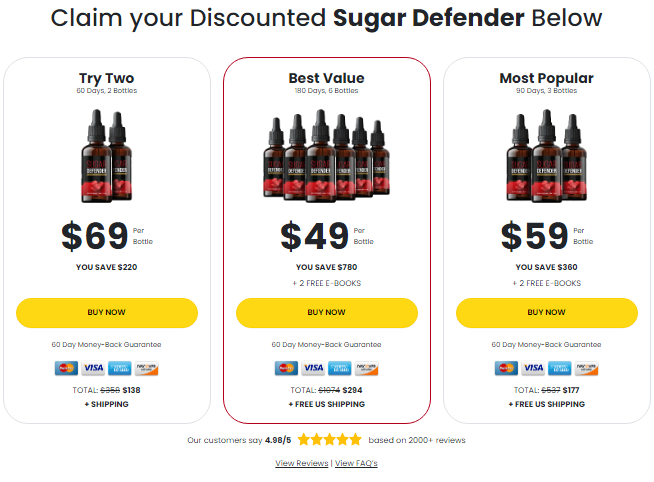
| Cost | $49–$69 per bottle (discounts available) | Varies ($10–$500+/month depending on drug & insurance) |
| Best For | People with prediabetes, mild blood sugar concerns, or preventive wellness | People diagnosed with type 1 or type 2 diabetes needing clinical intervention |
Sugar Defender Ingredients: Backed by Science?
The credibility of Sugar Defender lies in its ingredients. Here are some highlights:
- Gymnema Sylvestre – Known as the “sugar destroyer,” reduces sugar cravings and may help lower blood sugar.
- Bitter Melon – Mimics insulin activity and may lower glucose levels.
- Cinnamon Bark Extract – Improves insulin sensitivity.
- Banaba Leaf – Contains corosolic acid, shown to regulate blood sugar.
- Alpha-Lipoic Acid (ALA) – Enhances glucose uptake and protects against oxidative stress.
- Chromium – Essential mineral for insulin function.
✅ Verdict: These ingredients are scientifically studied, but they generally support healthy glucose metabolism, not replace the strong effects of prescription medications.
How They Work: Mechanisms Compared
Sugar Defender:
- Slows glucose absorption
- Reduces cravings for sweets
- Improves insulin sensitivity naturally
- Supports metabolic balance
Prescription Medications:
- Directly alter hormone or organ function
- Force the pancreas to produce more insulin
- Help kidneys or liver process excess sugar
- Stronger and faster impact on glucose levels
✅ Verdict: Sugar Defender is supportive, while prescription drugs are corrective and therapeutic.


Customer Reviews & Real-World Results
Sugar Defender Users Report:
- More stable blood sugar readings
- Fewer energy crashes
- Weight loss support due to reduced cravings
- Results noticeable after 4–8 weeks
Negative feedback:
- Works slowly compared to medications
- Not effective for severe diabetes cases
Prescription Medication Users Report:
- Rapid improvement in A1C and glucose levels
- Proven benefits for reducing complications of diabetes
- Side effects like nausea, digestive distress, or hypoglycemia are common
Safety Considerations
- Sugar Defender: Safe for most adults, but not recommended for those under 18, pregnant/nursing women, or people already on strong glucose medications without doctor approval.
- Prescription Drugs: Effective and necessary for many, but they require medical supervision due to risks of organ strain, low blood sugar, and interactions with other drugs.
Pricing Comparison
| Option | Average Monthly Cost | Long-Term Affordability |
|---|---|---|
| Sugar Defender | $49–$69 (as low as $39 with bundles) | Affordable for long-term use |
| Prescription Drugs | $10–$500+ depending on insurance, drug type, and dosage | Can be costly, especially without insurance |
✅ Verdict: Sugar Defender is more affordable for preventive health, while medications may be covered by insurance but often cost more out of pocket.
The Bottom Line: Which One Is Best?
- If you have diagnosed diabetes: Prescription medications are necessary and clinically proven. Supplements alone will not replace them.
- If you’re prediabetic, at risk, or simply want to support stable glucose levels: Sugar Defender may be a helpful, affordable option to complement a healthy lifestyle.
- If you’re already on medication: Sugar Defender can sometimes be used alongside treatment, but only under a doctor’s supervision.
👉 Don’t wait — Order Sugar Defender Now from the Official Website
Final Verdict
The key difference between Sugar Defender and prescription diabetes medications is that:
- Prescription drugs are designed to treat diabetes and are backed by FDA approval.
- Sugar Defender is a natural support supplement aimed at promoting balance, prevention, and overall metabolic health.
✅ Use Sugar Defender for preventive support and mild concerns.
✅ Use prescription medications when diabetes requires medical intervention.
👉 Don’t wait — Order Sugar Defender Now from the Official Website