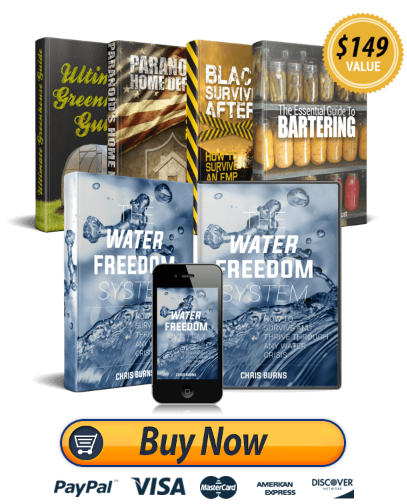
Water Freedom System vs Other Water Generators: What Sets It Apart in 2026?
With water security becoming an increasing concern, many people are exploring alternatives—but how does the Water Freedom System really compare to other water generators in 2026? From commercial atmospheric water machines to standard filtration systems, the choices can be overwhelming, making it hard to know which option truly delivers.
In this detailed comparison of Water Freedom System vs other water generators, we’ll explore what makes it unique, its advantages, and how it differs from conventional systems in terms of technology, output, cost, and usability. Whether you’re preparing for emergencies, aiming for off-grid living, or just seeking more control over your water supply, this guide will show you clearly what sets each system apart—and help you determine which one is the best fit for your needs in 2026.
👉 Don’t wait — Order Water Freedom System Now from the Official Website
Understanding Water Generation Technologies
To evaluate the Water Freedom System properly, it helps to understand the main types of water generators currently available:
1. Commercial Atmospheric Water Generators (AWGs)
Commercial AWGs extract water from the air using condensation technology. They range from small residential units to large industrial machines.
Pros:
- High daily water output in humid conditions
- Fully automated with built-in filtration
- Reliable in controlled environments
Cons:
- Expensive upfront cost ($1,500–$10,000+)
- High electricity consumption
- Complex maintenance and potential repair costs
👉 Don’t wait — Order Water Freedom System Now from the Official Website
2. Solar-Powered Condensation Systems
These units use sunlight to create temperature differences that condense water from air. They are often small and portable.
Pros:
- Low environmental impact
- Energy-efficient, often portable
- Useful in emergencies or off-grid situations
Cons:
- Low daily water output (typically 1–5 liters/day)
- Highly weather-dependent
- Requires setup knowledge and some maintenance
3. Water Freedom System (DIY Blueprint)
Unlike pre-built machines, the Water Freedom System is a step-by-step DIY guide to building an atmospheric water harvesting setup. Users construct it using affordable, accessible materials and can scale it based on need.
Pros:
- Low initial cost ($50–$150 in materials)
- Works without electricity if built passively
- Flexible design for off-grid or emergency use
- Educational and empowering for self-reliance
Cons:
- DIY assembly required
- Water output depends on humidity and setup quality
- Regular maintenance is needed to ensure safety and efficiency
Cost Comparison in 2026
Cost is a significant factor for many users:
| Water Generator Type | Estimated Price | Electricity Use | Notes |
|---|---|---|---|
| Commercial AWG | $1,500 – $10,000+ | High | High-output, fully automated, ongoing energy cost |
| Solar-Powered Units | $250 – $1,000 | Low | Portable but limited output |
| Water Freedom System | $50 – $150 (DIY materials) | None/minimal | Affordable, scalable, hands-on |
Key Insight: The Water Freedom System offers the most affordable route to atmospheric water harvesting, particularly for users prioritizing sustainability and independence over high-volume output.
Water Output Comparison
The amount of water a system can produce is another key consideration:
| Water Generator Type | Typical Daily Output |
|---|---|
| Commercial AWG | 20–50 gallons/day (humid areas) |
| Solar-Powered Units | 1–5 liters/day |
| Water Freedom System | 0.5–5 liters/day (dependent on climate and setup) |
Observation: Commercial AWGs are best for high-volume water needs, while the Water Freedom System provides supplemental or emergency water—enough for drinking, cooking, and basic needs.
Ease of Use and Setup
Commercial AWGs
- Plug-and-play, minimal assembly
- Automated filtration
- Requires electricity and occasional maintenance
Solar-Powered Units
- Lightweight and portable
- Weather-dependent setup
- May require some technical knowledge
Water Freedom System
- DIY assembly required
- Manual maintenance needed
- No or minimal electricity if passive
- Requires proper placement and materials for optimal output
Conclusion: The Water Freedom System requires more effort upfront but offers flexibility, independence, and no reliance on electricity.

Maintenance and Longevity
| Type | Maintenance Needs | Expected Lifespan |
|---|---|---|
| Commercial AWG | Filter replacement, electrical inspection | 5–10 years |
| Solar Units | Panel cleaning, minor upkeep | 3–7 years |
| Water Freedom System | Weekly cleaning, filter inspection, container sanitization | Indefinite if maintained properly |
Insight: While commercial units require more ongoing expenses and electricity, the Water Freedom System can last indefinitely with proper maintenance.
Environmental Impact
- Commercial AWGs: High energy usage unless solar-powered; larger carbon footprint.
- Solar Units: Low environmental impact but limited capacity.
- Water Freedom System: Extremely low footprint; uses minimal resources and can be built from repurposed materials.
For eco-conscious users, the Water Freedom System provides a sustainable, off-grid water solution.
Customization and Flexibility
- Commercial AWGs: Limited customization; size and output are fixed.
- Solar Units: Slightly adjustable with placement and orientation.
- Water Freedom System: Fully adaptable. Users can scale collection size, change materials, or integrate filters according to space and water needs.
Pro Tip: DIY flexibility allows users to expand or modify the system without costly upgrades.
Off-Grid and Emergency Use
- Commercial AWGs: Require electricity; may fail during outages.
- Solar Units: Rely on sunlight; performance drops on cloudy days.
- Water Freedom System: Can operate passively; minimal reliance on power; portable if built compactly.
For long-term preparedness, the Water Freedom System is ideal for remote or off-grid environments.
User Experiences
Water Freedom System Users Report:
- Satisfaction with supplemental water production
- Empowerment through DIY construction
- Realistic outputs of 1–3 liters/day in humid climates
- Minimal cost and maintenance
Commercial AWG Users Report:
- High output but expensive installation
- High electricity bills
- Maintenance costs for electronics
Solar Unit Users Report:
- Portable and eco-friendly
- Frustration with low output in cloudy or dry conditions
Summary: The Water Freedom System shines for budget-conscious, off-grid, or emergency-use users, while commercial AWGs excel in volume and automation.
Limitations to Consider
While the Water Freedom System has many advantages, it’s important to recognize its limits:
- Dependent on humidity and climate – Arid areas yield less water.
- DIY assembly required – Mistakes reduce efficiency.
- Supplemental water only – Not suitable for full household replacement.
- Maintenance required – Cleaning, filter checks, and safe storage are necessary.
Understanding these helps set realistic expectations for anyone considering the system.
👉 Don’t wait — Order Water Freedom System Now from the Official Website
Final Verdict: What Sets the Water Freedom System Apart
- Low-cost and accessible – Affordable DIY approach compared to expensive AWGs.
- Flexible and customizable – Can adapt to space, climate, and water needs.
- Off-grid ready – Works with minimal or no electricity.
- Sustainable and low environmental impact – Eco-friendly construction and operation.
- Educational and empowering – Users learn hands-on about water harvesting principles.
Bottom line: In 2026, the Water Freedom System is the most practical solution for supplemental water, off-grid setups, and emergency preparedness, while commercial and solar systems excel in high-volume or portable-specific use cases.
Conclusion
When choosing a water generator in 2026, consider:
- Your climate and humidity
- Daily water needs
- Budget and willingness to maintain
- Off-grid or power-dependent constraints
The Water Freedom System is uniquely positioned for those seeking independence, sustainability, and flexibility. While it doesn’t match commercial AWGs in sheer volume, it offers an unmatched combination of affordability, adaptability, and long-term reliability—making it a top choice for supplemental water generation.
👉 Don’t wait — Order Water Freedom System Now from the Official Website