Is Forward Head Posture Fix Safe? – Side Effects, Warnings, and Who Should Avoid It
Considering whether Forward Head Posture Fix is safe to use and wondering if there are any potential side effects or precautions to consider? Forward Head Posture Fix is presented as a program designed to support better posture, neck alignment, mobility, and everyday movement. But can posture exercises or techniques cause discomfort, what precautions should users keep in mind, and who may need to be more cautious before trying the program?
In this complete Forward Head Posture Fix safety guide, we’ll examine its approach, possible concerns, important warnings, usage considerations, and who may want to avoid certain exercises. We’ll also discuss what the available evidence can realistically tell us so you can better understand the potential risks and make a confident, informed decision.
What Exactly Is Forward Head Posture Fix?
Forward Head Posture Fix is a posture-focused exercise program intended to help people address forward head positioning through guided movements and corrective exercises.
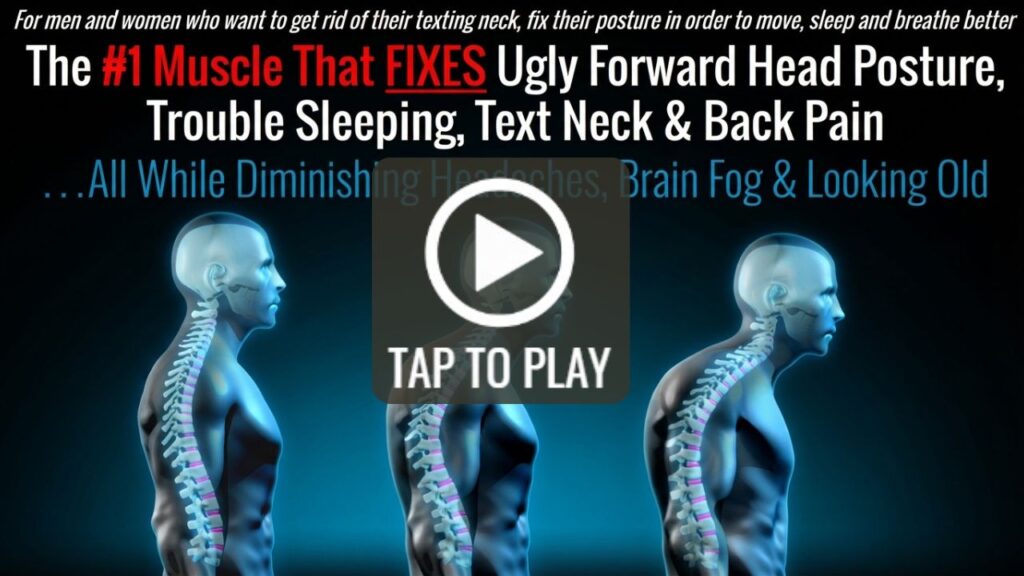
Forward head posture occurs when the head sits farther forward relative to the shoulders and upper body. It can be associated with prolonged sitting, frequent smartphone use, computer work, and certain movement habits.
Instead of relying on medication or equipment, Forward Head Posture Fix focuses on exercise, movement, and posture awareness.
The program is designed around a structured sequence of exercises rather than simply asking users to “sit up straight.” The exercises generally focus on areas such as the neck, shoulders, upper back, and surrounding muscles.
What the Program Is Designed to Address
A posture-focused routine may aim to support:
- Better awareness of head and neck positioning
- Improved upper-body mobility
- Neck and upper-back strengthening
- More controlled movement patterns
- Better everyday posture habits
- Reduced muscular tension associated with poor positioning
Results can vary considerably from person to person, and exercises should always be performed according to individual ability.
How Does Forward Head Posture Fix Work?
The basic principle behind Forward Head Posture Fix is straightforward: use targeted exercises to improve strength, mobility, muscular coordination, and awareness.
Instead of trying to force the head backward throughout the day, a structured exercise routine can help train the muscles involved in supporting the head and upper body.
1. Strengthens Supporting Muscles
Posture depends on more than simply the position of your head. Muscles around the neck, shoulders, and upper back all contribute to how comfortably you hold yourself.
Targeted strengthening exercises can help develop better muscular control.
2. Improves Movement Awareness
Many people don’t realize how far forward their head moves while using a laptop or smartphone.
Regular posture exercises can make you more conscious of these habits.
3. Encourages Better Posture Habits
Exercise alone isn’t the entire picture. How you sit, work, sleep, use your phone, and move throughout the day can also influence your posture.
A consistent routine can therefore be combined with practical daily adjustments.
Is Forward Head Posture Fix Safe?
For many generally healthy people, gentle and properly performed posture exercises can be a reasonable form of physical activity.
Exercise-based approaches for forward head posture have been studied in clinical research, with findings suggesting that therapeutic exercise may help improve posture-related measurements, neck discomfort, and functional outcomes.
However, this doesn’t mean that every exercise is suitable for every person.
Safety depends on several factors, including:
- Exercise technique
- Exercise intensity
- Existing injuries
- Previous neck problems
- Individual flexibility and mobility
- Whether pain or neurological symptoms are present
The safest approach is to begin gradually and avoid forcing the neck into uncomfortable positions.

Possible Side Effects of Forward Head Posture Fix
Forward Head Posture Fix is an exercise program, so potential problems are generally related to performing physical movements rather than ingredients or medications.
Mild Muscle Soreness
If your neck, shoulders, or upper back aren’t accustomed to targeted exercises, mild soreness may occur after starting a new routine.
This can happen when previously underused muscles are challenged.
Temporary Neck Tension
Some exercises may initially create muscular tension around the neck and shoulders.
However, persistent or worsening discomfort shouldn’t simply be ignored.
Headaches
Changes in neck and shoulder tension can sometimes coincide with headaches in susceptible individuals.
If a particular movement repeatedly triggers headaches, discontinue that exercise and consider seeking professional advice.
Dizziness
Certain neck movements may provoke dizziness in some people.
If you experience significant dizziness, balance problems, visual changes, weakness, or other unusual symptoms during an exercise, stop the movement rather than attempting to push through it.
Muscle Strain
Performing exercises too aggressively or using poor technique can place unnecessary stress on the neck and upper-body muscles.
Controlled movements are preferable to forcing a particular posture.
Who Should Avoid or Be Cautious With Forward Head Posture Fix?
Although posture exercises may be suitable for many people, certain individuals should speak with a qualified healthcare professional before beginning a neck-focused exercise routine.
People With Recent Neck Injuries
Anyone who has recently experienced whiplash, a fall, sports injury, or another significant neck injury should obtain professional guidance before starting corrective exercises.
People With Severe or Persistent Neck Pain
Forward head posture isn’t necessarily the cause of every type of neck pain.
If your pain is severe, persistent, worsening, or interfering with normal activities, it’s important to determine the underlying cause rather than assuming posture is the only issue.
People Experiencing Numbness or Weakness
Numbness, tingling, burning sensations, or weakness involving the arms or hands should be taken seriously.
These symptoms may require professional assessment rather than a generic posture program.
People With Known Spinal Conditions
If you’ve been diagnosed with a cervical spine condition or another significant spinal problem, discuss exercise selection with an appropriate healthcare professional.
People Recovering From Surgery
Those recovering from neck, spinal, shoulder, or related surgery should follow their individualized rehabilitation instructions instead of immediately starting a general posture routine.
How to Use Forward Head Posture Fix Safely
If you’re generally healthy and decide to try a posture program, several simple habits can make the experience safer and more comfortable.
Start Slowly
Don’t assume that performing more repetitions or exercising harder will produce faster results.
Begin with a manageable level and gradually progress.
Focus on Proper Form
Technique matters, particularly when exercises involve the neck.
Perform each movement slowly and deliberately instead of rushing through repetitions.
Never Force the Neck
The goal isn’t to aggressively pull your head backward or push your neck beyond its comfortable range of motion.
Posture correction should feel controlled.
Pay Attention to Your Symptoms
There’s a difference between normal muscular effort and sharp or escalating pain.
If a particular movement causes significant discomfort, stop and reassess the exercise.
Be Consistent
Posture habits develop over time. A consistent, manageable routine is generally more practical than occasional intense workouts.
What Does Research Say About Posture Exercises?
Research into forward head posture has examined exercise programs involving strengthening, stretching, stabilization, and other therapeutic movements.
Several reviews have reported improvements in posture-related measurements and neck symptoms following exercise interventions. However, research quality and exercise protocols vary, meaning results shouldn’t be interpreted as proof that every posture program will work identically for every individual.
This is an important distinction.
Exercise may support better posture and neck function, but it isn’t a guaranteed treatment for every type of neck problem.
People with an underlying medical condition may need a more individualized approach.
Forward Head Posture Fix Pricing – How Much Does It Cost?
Based on the pricing screenshot provided, Forward Head Posture Fix is currently displayed at a Today’s Price of $9, with a regular price of $50 crossed out.
Following the same BioDentix-style pricing format:
| Package | Price | Access | Shipping | Guarantee |
|---|---|---|---|---|
| Forward Head Posture Fix | $9 | Instant Access | Digital Product – No Shipping | 90-Day Money-Back Guarantee |
The provided screenshot does not show additional package options, supply periods, shipping charges, bonuses, or guarantee information, so those details have not been added.
Is Forward Head Posture Fix Worth Considering?
Forward Head Posture Fix may be worth considering for people who prefer a structured approach to posture exercises rather than searching for individual exercises and creating their own routine.
A guided program can make it easier to follow a consistent sequence and understand how different movements fit together.
However, expectations should remain realistic. Posture isn’t determined by one muscle or one exercise. Daily habits, workstation setup, movement patterns, strength, mobility, and individual anatomy can all play a role.
Final Verdict: Is Forward Head Posture Fix Safe? – Side Effects, Warnings, and Who Should Avoid It
When considering a Forward Head Posture Fix, safety should be just as important as the potential for better posture, reduced neck tension, and improved everyday comfort. Gentle posture exercises, ergonomic adjustments, and gradual stretching may help support healthier neck alignment, but the safest approach depends on the techniques used and the individual’s existing condition. Forcing the head or neck into a new position, using excessive pressure, or performing aggressive neck movements may worsen discomfort rather than help. Results also vary, and no single posture routine is guaranteed to correct every underlying problem.
People with persistent neck pain, recent neck injuries, numbness, tingling, weakness, dizziness, or symptoms that travel into the arms should be cautious about starting exercises without appropriate guidance. Stop any movement that causes sharp pain, worsening symptoms, or unusual discomfort, and seek medical assessment for concerning or persistent symptoms; sudden weakness, difficulty walking, or severe symptoms after an injury warrant urgent attention. Anyone considering a Forward Head Posture Fix program should review its instructions carefully, avoid forceful techniques, and choose exercises that match their mobility and comfort level. Before following a specific program, check its official website for the recommended routine, safety warnings, suitability requirements, and any applicable purchase or refund terms.