How to Use Neuro-Balance Therapy for Best Results – Sessions, Timing, and Tips
Ready to try Neuro-Balance Therapy and want to get the most from each session? Knowing how often to practice, when to schedule sessions, and how to fit the therapy into your daily routine can make staying consistent much easier. But what’s the best way to use Neuro-Balance Therapy, and which simple tips should you keep in mind?
In this detailed guide, we’ll explain how to use Neuro-Balance Therapy, suggested session frequency, timing, daily routine tips, consistency, and important considerations to help you follow the program as intended and make a confident decision.

👉 Don’t wait — Order Neuro-Balance Therapy from the Official Site
What Is Neuro-Balance Therapy?
Neuro-Balance Therapy is an at-home exercise program designed to help users practice movements related to balance, stability, coordination, and sensory awareness.
The program is different from a dietary supplement because it doesn’t depend on ingredients or nutritional compounds. Instead, it provides guided exercise content and, with the physical package, a Spike Ball for specific foot-focused activities.
The basic concept is that balance involves several systems working together. Your feet, muscles, joints, eyes, inner ear, and nervous system all provide information that helps the brain coordinate movement.
Neuro-Balance Therapy provides a structured way to practice these skills at home.
Depending on the offer, users can choose between a digital version or a physical package containing a DVD and Spike Ball.
👉 Don’t wait — Order Neuro-Balance Therapy from the Official Site
How Does Neuro-Balance Therapy Work?
The approach behind Neuro-Balance Therapy centers on repeated movement and sensory stimulation.
When you stand or walk, your body constantly makes small adjustments to keep you stable. Balance exercises challenge these systems and give you an opportunity to practice controlling your body in a deliberate way.
3-Step Working Approach
1. Encourages sensory awareness:
The foot-focused activities and Spike Ball are intended to provide sensory stimulation around the feet, helping users pay greater attention to how their feet interact with the ground.
2. Challenges coordination:
Guided movements require your muscles and nervous system to work together while maintaining stability. Repeated practice can help you become more familiar with these movements.
3. Builds a consistent routine:
Instead of randomly selecting exercises, Neuro-Balance Therapy provides structured instructional material that users can follow regularly.
However, it’s important to remember that these are general exercise principles. They shouldn’t be interpreted as proof that Neuro-Balance Therapy can treat or cure a specific medical condition.
How Often Should You Use Neuro-Balance Therapy?
When using an exercise program, consistency is generally more important than occasional intense sessions.
Rather than trying to do too much immediately, begin at a comfortable level and follow the instructions supplied with the program.
Start Slowly
If you’re unfamiliar with balance exercises, give yourself time to learn the movements.
Focus on:
- Understanding each exercise
- Using proper technique
- Practicing consistently
- Progressing gradually
- Paying attention to how your body responds
Don’t assume that making an exercise harder will automatically produce better results.
What Is the Best Time to Use Neuro-Balance Therapy?
There isn’t a universally proven “best” time to use Neuro-Balance Therapy. The ideal time is usually when you’re alert, comfortable, and able to exercise safely.
Morning Sessions
Morning can be a convenient option if you like completing exercise before your day becomes busy. It may also help establish a consistent routine.
Afternoon Sessions
An afternoon session can work well if mornings are occupied. Choose a time when you aren’t rushed and can concentrate on the exercises.
Evening Sessions
Evening practice may be suitable if that’s when you have free time. However, avoid challenging balance exercises when you’re extremely tired or unable to concentrate properly.
The most important factor is finding a schedule you can realistically maintain.
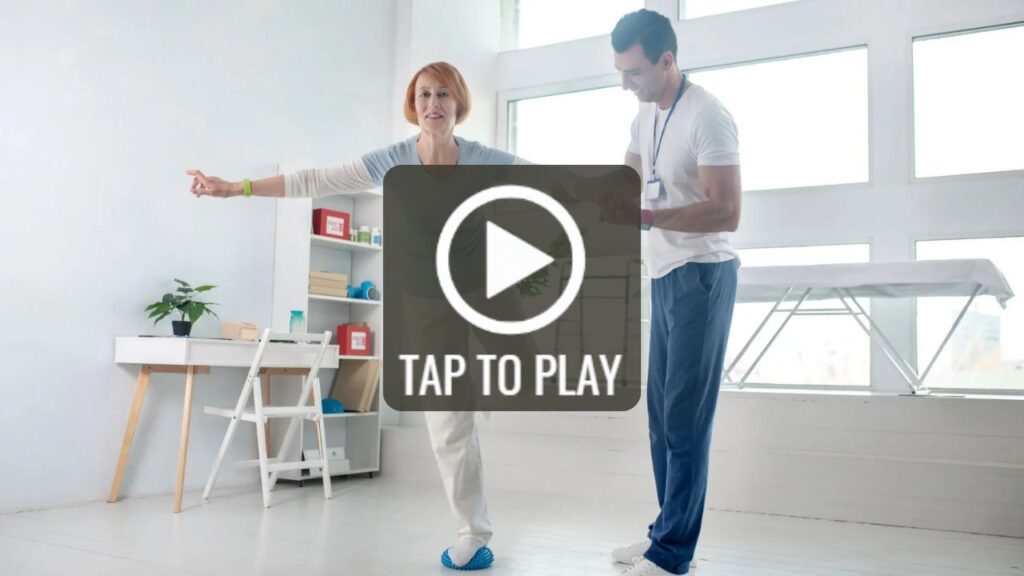

How to Use Neuro-Balance Therapy Step by Step
Before starting, make sure you have a safe, uncluttered area for exercise.
Step 1: Prepare Your Space
Use a flat surface and remove objects that could cause you to trip. If you’re unsteady, keep a sturdy chair, countertop, or another stable support nearby.
Step 2: Follow the Guided Program
Use the digital version or physical DVD and follow the demonstrations carefully.
Don’t rush through movements simply to finish the session.
Step 3: Use the Spike Ball as Directed
If you’ve purchased the physical package, use the Spike Ball according to the instructions provided with the program.
Avoid excessive pressure or movements that cause pain.
Step 4: Focus on Control
Perform movements slowly and deliberately. Good control is more important than speed.
Step 5: Finish Safely
After completing the routine, take a moment to settle down before moving on to another activity. If you feel dizzy or unusually unstable, stop and rest.
Common Neuro-Balance Therapy Mistakes to Avoid
Even a straightforward exercise program can become less useful if you approach it incorrectly.
❌ Trying to Progress Too Quickly
Don’t jump into difficult movements before you’re comfortable with the basics.
❌ Ignoring Your Environment
Make sure your exercise area is free from clutter, slippery surfaces, and unnecessary obstacles.
❌ Rushing Through Exercises
Balance training requires concentration. Focus on controlled movement rather than completing the routine as quickly as possible.
❌ Practicing When Exhausted
If you’re extremely tired, your concentration and stability may be reduced. Choose a safer time.
❌ Expecting Overnight Results
Balance and coordination can take time to develop. Focus on consistency rather than expecting dramatic changes after only a few sessions.
Where to Buy Neuro-Balance Therapy & Current Pricing (2026 Update)
Here’s the latest official pricing:
| Package | Price | Original Price | What’s Included | Shipping | Savings |
|---|---|---|---|---|---|
| Digital Version Only | $37 | $97 | Instant Digital Access + Free Bonuses | Not stated | Save $60 |
| Physical DVD With Spike Ball ⭐ | $47 | $97 | Physical DVD + Spike Ball + Free Digital Version + Free Bonuses | Shipping & Handling Applies | Save $50 |
✅ All Neuro-Balance Therapy packages come with a 60-day money-back guarantee.
👉 Don’t wait — Check Neuro-Balance Therapy’s Official Offer
How to Use the Neuro-Balance Therapy Spike Ball
The Spike Ball is included with the physical package and is intended for specific foot-focused activities.
Follow the Provided Instructions
Use the Spike Ball exactly as demonstrated in the program rather than creating your own techniques.
The goal should be controlled sensory stimulation, not painful pressure.
If you have reduced sensation in your feet, an injury, or another condition affecting your feet, consider speaking with a healthcare professional before using foot-focused equipment.
Safety Tips for Best Results
Balance exercises should always be approached carefully, particularly if you already have difficulty staying stable.
Important Precautions
- Keep a sturdy support nearby.
- Start with easier movements.
- Exercise on a stable, non-slip surface.
- Don’t force uncomfortable movements.
- Stop if you experience significant pain or dizziness.
- Progress gradually rather than rushing.
- Seek professional guidance if you have serious balance or mobility problems.
If balance problems are sudden, severe, or unexplained, an online exercise program should not replace medical evaluation.
Final Verdict: How to Use Neuro-Balance Therapy for Best Results – Sessions, Timing, and Tips
If you’re considering Neuro-Balance Therapy, understanding how to follow its sessions and fit the recommended activities into your daily routine can help you get started with greater confidence. You want a practical approach that is easy to follow, fits your schedule, and supports your balance and movement goals. Neuro-Balance Therapy is worth exploring for people looking for a structured approach to balance-related wellness through guided activities and consistent practice. Learning about the program’s instructions, session format, and recommended schedule can help you decide how it may fit into your everyday routine.
For a thoughtful approach, follow the program’s official instructions, begin at a comfortable pace, and avoid pushing through movements that cause pain or make you feel unsteady. Consistency and a safe environment are important when practicing balance-related activities, and suitable support may be helpful if you have mobility concerns. If you’re interested in trying Neuro-Balance Therapy, checking the official website for session guidance, current pricing, and applicable refund terms is a sensible next step. If you experience persistent dizziness, frequent falls, or difficulty walking, consult a healthcare professional before starting a new exercise program.
👉 Don’t wait — Order Neuro-Balance Therapy from the Official Site